Professional organizers walk into homes that make most people’s jaws drop. Piles of stuff on every surface, closets that haven’t been touched in years, junk drawers spilling over with mystery items. They’ve seen it all, and they know exactly what to tackle first.
The items they reach for aren’t random. They’re the stuff that quietly accumulates without anyone noticing, taking up space while offering zero value in return. Getting rid of these first creates immediate breathing room and makes the rest of the decluttering process feel less overwhelming.
These are the ten items professional organizers always get rid of first, based on what the experts themselves say.
1. Dry Cleaner Hangers
Christina Lee, professional organizer and co-founder of Graceful Spaces Organizing, has a simple rule: “They rarely match my closets or add value to my wardrobe system, so I discard them.” Those thin wire hangers from the dry cleaner pile up faster than you think, and they’re one of the easiest things to eliminate because you barely notice them until you pull one out and realize you have a hundred.
The problem goes beyond aesthetics. Wire hangers bend easily, don’t hold shape for heavier garments, and create a visual mess when mixed with matching hangers. Professional organizers recommend committing to one hanger type per closet—wood for suits and blazers, velvet for everything else—and removing anything that doesn’t fit the system. A closet with uniform hangers looks twice as organized, even if nothing else changes.
A small bonus: most dry cleaners will take back hangers in good condition. Call yours and ask before tossing them in the recycling bin.
2. Paper Clutter You’ll Never Need Again
Old receipts, instruction manuals for appliances you bought five years ago, junk mail that somehow survived the trip from the mailbox to the kitchen counter. Bridget Urgo, co-owner of the home organization and relocation company The Settler, says this is especially bad for baby boomers, but it hits every generation.
“They have so much paper—old files, receipts, junk mail, instruction manuals—clogging up their homes and offices,” Urgo says. The fix is straightforward: most instruction manuals live online now, and receipts for everyday purchases have a very short shelf life. If you haven’t needed a receipt within 30 days of purchase, you probably never will.
Keep what matters—tax documents, warranties for recent big purchases, and important legal papers—and recycle the rest. A single filing cabinet drawer should be able to hold everything important you own on paper.
3. Kids’ Schoolwork and Art Projects
This one stings because it’s sentimental. Nikki Boyd, founder of At Home With Nikki and author of Beautifully Organized, has a practical solution: let your kids pick their favorite pieces to keep.
“Young families have a lot of paper clutter in the form of school art projects and homework,” Urgo adds. The problem isn’t the art itself—it’s keeping all of it. When you save every worksheet and finger painting, none of them feel special. When you curate five or ten favorites per school year, those pieces actually get displayed and appreciated.
Photograph the ones you want to remember but don’t physically keep. A digital folder of your kid’s creative output takes up zero shelf space and lets you scroll through years of growth whenever you want.
4. Unwanted Hand-Me-Downs
This is the clutter that comes with guilt attached. Meghan Cocchiaro, a professional organizer, describes it as “items that were ‘forced’ upon you by others, such as hand-me-downs or other clutter that they were decluttering from their own lives and now represents clutter in yours.”
The person who gave you that lamp was clearing out their own house. If the lamp doesn’t fit your space or style, keeping it doesn’t honor their gesture—it just spreads the clutter to a new address. The same goes for inherited furniture, clothes from relatives, and kitchen gadgets from aunts who “thought you might need it.” Donate the items if they’re in good condition. Don’t carry someone else’s decluttering project around your home for another decade.
One practical approach: give yourself a 30-day rule. If the hand-me-down item hasn’t found a place in your daily life within a month of receiving it, it’s not going to. Move it along without guilt.
5. Clothes You Haven’t Worn in a Year
Amélie Saint-Jacques of Amelie Organizes recommends clearing out seasonal clothing and footwear you didn’t use last year, “with the exception of special occasion clothes such as cocktail dresses.” That’s a reasonable carve-out—nobody needs to donate their one good suit because they only wore it twice.
Reba Bassett of Revelation Organizing has a technique that removes the guesswork. At the beginning of the year, turn all your hangers backward. When you wear an item, turn the hanger forward. After twelve months, anything still hanging backward gets donated. It’s simple, visual, and takes the emotion out of the decision.
The data supports the approach. Most people wear about 20 percent of their clothes regularly. That means 80 percent of your closet is taking up space for items you reach for once a year, if that.
6. Flower Vases You’ll Never Use Again
This one surprised me. Those attractive glass vases that came with your birthday bouquet or Valentine’s arrangement? According to Urgo, they’re one of the biggest offenders. You keep them because they’re nice, they’re not broken, and maybe you’ll send yourself flowers someday. Meanwhile, they sit in a cabinet gathering dust while real storage space goes unused.
If you haven’t refilled a vase within a month of receiving it, let it go. If you want fresh flowers in your home regularly, buy one good vase and stick with it.
7. Duplicate Kitchen Tools
Professional organizers consistently flag the kitchen as the room where duplication goes unchecked. You have three can openers because you keep buying the cheap one and forgetting you already own one. There are two garlic presses, a vegetable peeler you never use because you prefer the other one, and a drawer full of plastic containers with missing lids.
The kitchen is where “just in case” thinking does the most damage. That melon baller you used once at a dinner party in 2019? It’s been taking up drawer space ever since. The specialty avocado slicer seemed like a great idea at the store, but a regular knife does the same job. Professional organizers suggest doing a full kitchen drawer audit every six months, pulling everything out and only putting back what you’ve actually used in the last three months.
The hanger trick works here too: turn everything in your kitchen drawers to face the same direction. After a month, anything that hasn’t been turned around is a candidate for donation. Keep the version you actually use and let the duplicate go.
8. Expired or Neglected Bathroom Products
Half-used bottles of shampoo you didn’t like, sunscreen from three summers ago, samples from hotel stays that have been sitting under the sink since 2023. Bathroom clutter hides behind closed cabinet doors, so it’s easy to forget how much has accumulated.
Professional organizers recommend doing a full bathroom sweep every six months. Check expiration dates on medications and sunscreen—expired products aren’t just useless, they can be ineffective or even harmful. Toss the shampoo samples you’ll never use and the face cream that gave you a rash.
9. Takeout Menus and Restaurant Coupons
In the era of food delivery apps, physical menus have become pure clutter. You’re not going to flip through a paper menu when your phone has every restaurant in your area with photos and reviews. That stack of menus in your junk drawer or taped to the fridge can go.
Same goes for coupons—unless you consistently use a specific coupon, it’s just paper weight. Most grocery stores have digital versions of their weekly deals now.
10. Things That “Might Be Useful Someday”
This is the category that professional organizers struggle with most with their clients. It’s the catch-all of “what if I need this someday”—the random cable for a device you no longer own, the broken gadget you keep meaning to fix, the leftover tiles from a bathroom renovation that happened six years ago.
Urgo puts it bluntly: clutter costs money. “When they start to declutter, they can find things more easily, think more clearly, and spend less money because they aren’t buying duplicates of things that they already own.”
The “someday” test is simple. If you haven’t used it in twelve months and can’t identify a specific future use within the next three months, it goes. The mental energy you spend remembering where you stored that thing and whether you still have it is worth more than the item itself.
For items with genuine repair potential, set a deadline. Give yourself two weeks to fix it or schedule the repair. If the deadline passes and the item is still broken, it’s not getting fixed. Let it go.
Where to Start
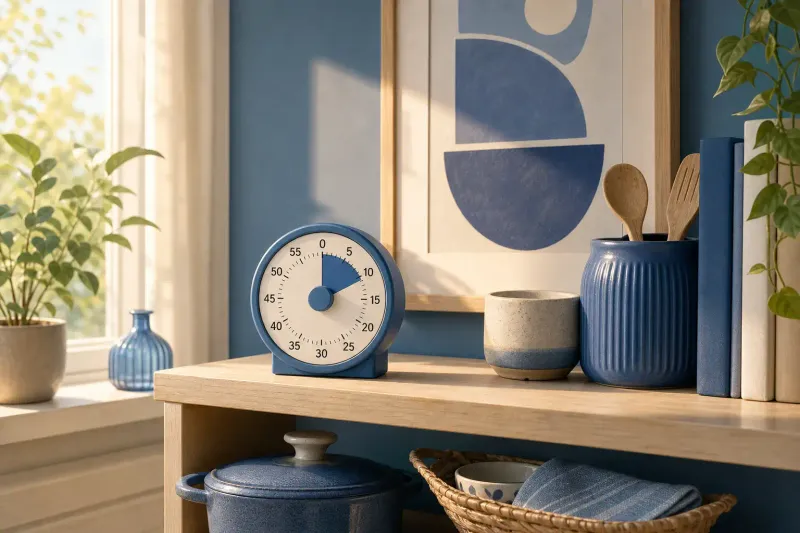
You don’t have to tackle all ten categories in one weekend. Start with the one that will give you the most immediate relief—usually paper clutter or clothes, because they take up the most visible space. Spend thirty minutes on that single category before moving to anything else. Set a timer, put on music you enjoy, and make it feel less like a chore and more like a reset.
The goal isn’t perfection. It’s creating enough space that you can actually find what you need, move through your home without bumping into things, and stop buying duplicates of things you already own but can’t locate. Professional organizers know that the first sweep is always the hardest part, but it’s also the most rewarding. There’s a reason people hire them—the outside perspective cuts through the emotional attachment that makes decluttering so difficult when you’re doing it alone.
Once you clear the obvious stuff, the rest gets easier. Your home starts to feel different, and that feeling becomes its own motivation. The key insight from every professional organizer interviewed for this piece is the same: the stuff that’s hardest to part with is rarely the stuff you actually use. It’s the stuff you keep out of habit, guilt, or vague optimism that someday you’ll need it. That someday almost never comes.
Discussion
Comments
Share a helpful tip, question, or takeaway from 10 Things Professional Organizers Always Get Rid of First.
0 Comments
Loading comments…