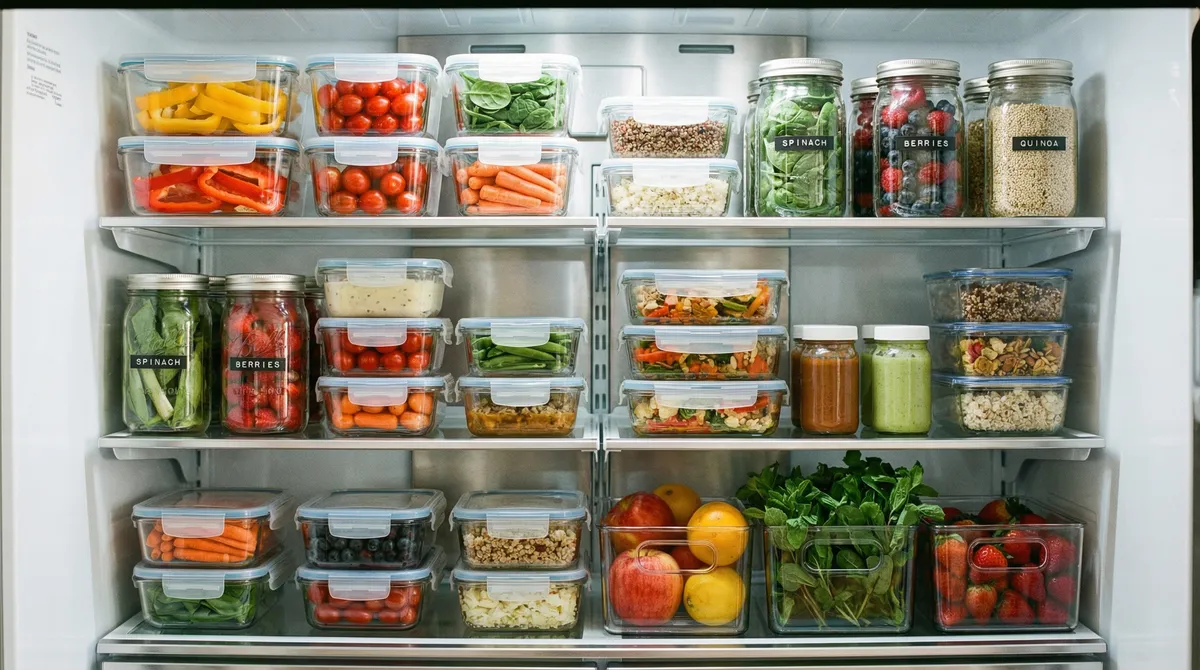
A cluttered refrigerator is more than just an eyesore. It wastes food, wastes money, and makes meal prep unnecessarily stressful. But here’s the good news: you don’t need to spend hours reorganizing your entire fridge. These five practical tips will help you create a system that actually works.
1. Use the “First In, First Out” Rule
This restaurant industry trick is simple but effective. When you buy new groceries, move older items to the front and place new ones behind them. This way, you’ll naturally use up food before it expires.
Start by checking expiration dates on everything currently in your fridge. Move items that expire soon to eye level where you can’t miss them. When you unpack groceries, take an extra 30 seconds to rearrange items by date. It feels tedious at first, but it becomes automatic after a few shopping trips.
The real benefit shows up in your wallet. Most households throw away hundreds of dollars worth of food each year simply because items get pushed to the back and forgotten. This one habit can cut that waste significantly.
2. Create Zones for Different Food Types
Your fridge has different temperature zones, and using them correctly keeps food fresh longer. The back of the fridge is coldest, making it perfect for dairy products and eggs. The door is warmest, so despite those convenient egg holders, it’s actually better for condiments and drinks.
Here’s a practical layout that works:
- Top shelf: Ready-to-eat foods like leftovers and deli meats
- Middle shelves: Dairy products and eggs
- Bottom shelf: Raw meat and fish (in sealed containers)
- Drawers: Fruits and vegetables (in separate drawers if possible)
- Door: Condiments, juice, and water
This isn’t just about organization. It’s about food safety too. Raw meat on the bottom shelf means no drips onto other foods. Vegetables in the crisper drawer stay fresh longer because of the humidity control.
3. Use Clear Containers for Leftovers
Opaque containers are where leftovers go to die. You forget what’s inside, and by the time you remember, it’s science experiment territory. Switch to clear containers and label them with dates using masking tape and a marker.
Square or rectangular containers work better than round ones because they use space more efficiently. Stack them neatly on one shelf so you can see everything at a glance. Make it a rule: if you can’t see it, you won’t eat it.
Take this a step further by designating one shelf as your “eat first” zone. Anything that needs to be consumed within a day or two goes here. Check this shelf before you start cooking dinner or packing lunch.
4. Keep a Fridge Inventory List
This sounds excessive until you try it. Keep a simple list on your fridge door or use a notes app on your phone. Write down what you have and cross items off as you use them.
The list doesn’t need to be detailed. Just jot down main items: chicken, milk, lettuce, strawberries. Update it when you unpack groceries and when you use something up. This takes maybe two minutes per week.
The payoff is huge. No more buying duplicate items because you couldn’t remember if you had mayo. No more missing ingredients when you’re halfway through a recipe. You’ll also waste less food because you’ll actually know what needs to be used up.
5. Do a Quick 5-Minute Clean Every Week
Pick one day each week for a quick fridge check. Sunday evening works well for most people, right before the new week starts. Pull everything out of one section, wipe down the shelf, check dates, and toss anything questionable.
You don’t need to deep clean the entire fridge every week. Just tackle one shelf or drawer. Rotate through different sections so everything gets attention once a month. This prevents the buildup of spills and mystery stains that require serious scrubbing later.
Keep a spray bottle of equal parts water and white vinegar under your sink. It’s cheap, safe for food surfaces, and cuts through fridge grime effectively. A microfiber cloth works better than paper towels and saves money too.
Making It Stick
The key to any organization system is making it easy to maintain. If your method is too complicated, you won’t keep it up. These tips work because they’re simple and take minimal time.
Start with just one or two tips rather than trying to implement everything at once. Maybe begin with clear containers and the weekly clean. Once those become habits, add the zone system. Build gradually and you’re more likely to stick with it.
Remember, the goal isn’t perfection. It’s having a fridge that works for you instead of against you. Even implementing a few of these tips will make a noticeable difference in how much food you waste and how much stress you feel when cooking.
Your fridge is one of the hardest-working appliances in your home. Give it a little organization love and it will serve you better. Plus, there’s something genuinely satisfying about opening your fridge and actually being able to find what you need.