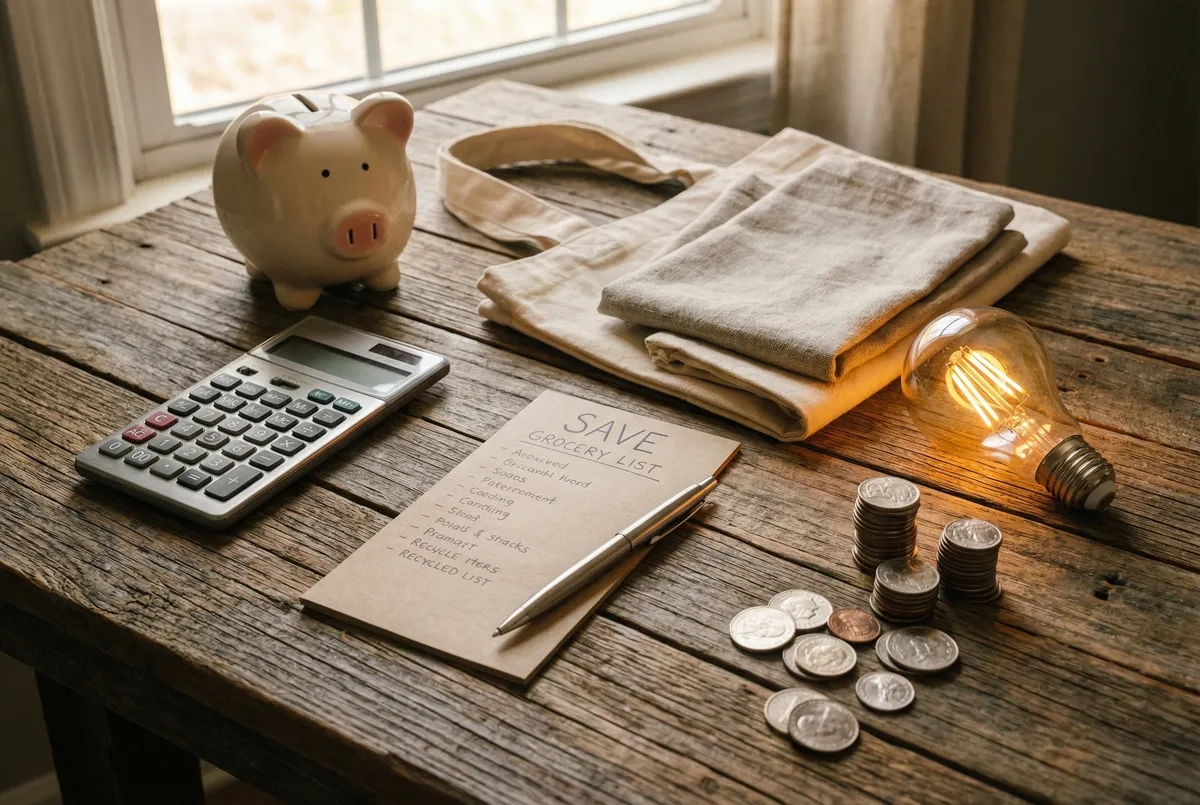
Frugal living gets a bad reputation. Most people picture extreme couponing, never eating out, and living in uncomfortable deprivation. That’s not what this is about.
Real frugal living means spending intentionally. It’s keeping money you’d otherwise waste and redirecting it toward what actually matters to you. I’ve been practicing these strategies for three years, and my savings rate went from 8% to 32% without feeling like I’m sacrificing anything important.
The Mindset Shift That Changes Everything
Before diving into specific tactics, you need to reframe what “frugal” means.
Old frugal: Don’t spend money. Deprive yourself. Feel guilty about purchases.
New frugal: Spend on what matters. Eliminate waste. Feel good about intentional choices.
The goal isn’t minimizing spending across the board. It’s maximizing value. Sometimes that means spending more on quality items that last. Sometimes it means finding free alternatives. Always it means thinking before paying.
Most people waste money not through big purchases but through dozens of small, unconsidered expenses. A subscription you forgot about. Groceries that rot in the fridge. Paying someone to fix something you could handle yourself.
High-Impact Areas: Where Small Changes Create Big Savings
Focus your energy where it counts. These three categories typically consume 60-75% of household budgets.
Housing: Your Biggest Expense
Housing typically eats 25-35% of income. Even small percentage improvements here translate to real money.
Negotiate rent at renewal. Most landlords prefer keeping existing tenants over dealing with turnover costs. Before signing a new lease, ask for lower rent or improvements. The worst they can say is no, but many will meet you halfway.
Consider downsizing strategically. Every hundred square feet you don’t need costs you in rent, utilities, and maintenance. A friend moved from a 1200 sq ft apartment to 900 sq ft and saved $400 monthly. She realized she was paying for space she never used.
DIY basic maintenance. YouTube has tutorials for everything. I learned to fix minor plumbing issues, paint rooms, and handle basic repairs. This saves hundreds per year compared to calling professionals for every small problem.
Transportation: The Second-Biggest Drain
Going from two cars to one saves insurance, registration, maintenance, and depreciation. If your household can manage with one vehicle, you’re potentially saving $5,000-10,000 annually.
Buy used and drive longer. Cars 2-3 years old offer the best value-to-quality ratio. Someone else took the depreciation hit. Then drive that car for 10+ years instead of upgrading every few.
Proper tire inflation seems trivial but underinflated tires waste fuel. Check monthly. This alone can improve gas mileage by 3%.
Food: Where Waste Happens Daily
Meal planning cuts food spending by 20-30%. Know what you’re eating before you shop. This prevents impulse purchases and reduces waste.
I spend Sunday mornings planning the week’s dinners. Takes 20 minutes. Saves me from the 6pm “what’s for dinner” panic that used to end in expensive takeout.
Cook in batches. Make large portions on weekends, eat throughout the week. Saves time and money. A pot of chili costs $12 in ingredients and provides six meals. That’s $2 per serving versus $12 for takeout.
Strategic meat reduction. You don’t need to go vegetarian. Just use less meat. Beans, eggs, and legumes stretch meals affordably. I went from meat at every dinner to 3-4 times per week. Barely noticed the change, but my grocery bill dropped $60 monthly.
Shop store brands for basics. Same manufacturers, different labels, 20-40% savings. I switched to store brand rice, canned goods, and frozen vegetables. Can’t tell the difference.
DIY Repairs: Stop Paying for Simple Fixes
Professional repairs are expensive. Many common household problems are surprisingly easy to fix yourself.
Unclog drains without chemicals. Pour half a cup of baking soda down the drain, followed by half a cup of vinegar. Wait 30 minutes, then flush with hot water. This works on most slow drains and costs pennies versus $8 for chemical drain cleaner or $150 for a plumber.
Fix running toilets. A running toilet wastes water and money. Usually it’s just a worn flapper valve. Replacement flappers cost $5 at any hardware store and take 10 minutes to install. No tools required beyond your hands.
Replace air filters yourself. HVAC companies charge $50-80 for this. Filters cost $15-20. You literally just slide the old one out and the new one in. Takes two minutes.
Patch drywall holes. Small holes from nails or screws? Spackle costs $6 and a putty knife costs $3. Smooth it on, let it dry, sand lightly, paint. Professionals charge $75-150 per hole.
Refinish furniture instead of replacing. That scratched table doesn’t need to be thrown out. Sandpaper and wood stain cost $20 total. Spend a Saturday afternoon and you’ve got furniture that looks new.
The U.S. Census Bureau found homeowners save an average of $8,836 on kitchen remodels and $7,304 on bathroom renovations by doing the work themselves. Even if you only tackle small projects, the savings add up.
Energy Efficiency: Lower Bills Without Sacrifice
Smart thermostats pay for themselves. They cost $100-200 but typically save $180 annually by automatically adjusting temperatures when you’re away or sleeping. That’s a one-year payback, then pure savings.
Adjust your thermostat by just 2 degrees. Set it 2° higher in summer or 2° lower in winter. You’ll barely notice, but it cuts heating and cooling costs by 10%.
LED bulbs use 75% less energy than incandescent bulbs and last years longer. Replace bulbs as they burn out. Don’t buy them all at once, just gradually switch over.
Seal air leaks. Check windows and doors for drafts. Weatherstripping costs $10-20 and takes an hour to install. This prevents conditioned air from escaping, making your HVAC system work less.
Unplug idle electronics. Devices on standby still draw power. 75% of electricity used by household electronics happens when they’re “off.” Use power strips and flip them off when not in use.
Lower your water heater temperature to 120°F. Most are set to 140°F by default. The lower temperature is still plenty hot for showers and dishes, but uses less energy.
Grocery Shopping: Structure Prevents Waste
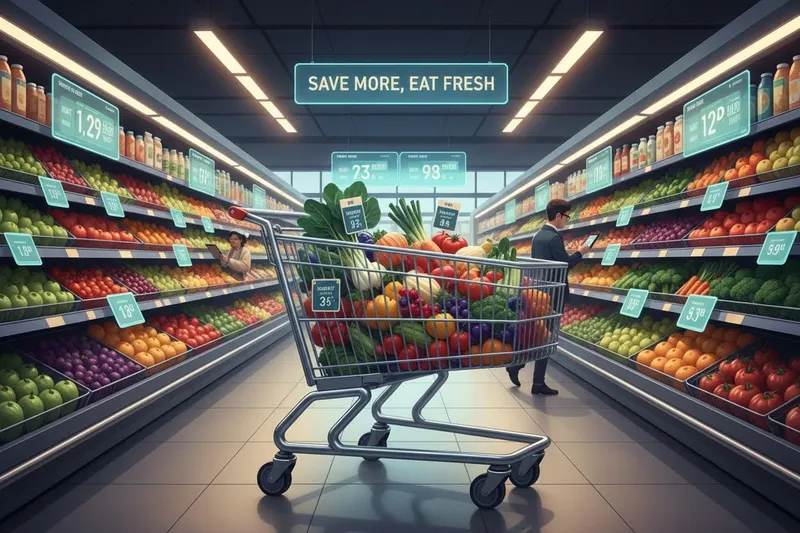
Shop with a grouped list. Organize your list by store sections: produce, dairy, pantry, freezer. Move through the store following those sections. Avoid wandering aisles not on your list.
Compare unit prices, not sticker prices. Look at price per ounce or per pound. Larger packages or store brands are often cheaper per unit, as long as you’ll actually use them.
Check your pantry first. Spend five minutes looking through what you already have. Write down what needs to be used soon. Build meals around existing ingredients before buying more.
Avoid pre-cut and pre-packaged items. Pre-washed lettuce, pre-chopped vegetables, individually wrapped snacks all carry a “convenience tax.” Use them selectively when they truly prevent takeout, not by default.
Stick to a realistic treat budget. Completely cutting treats backfires. Decide on a small number of “fun” items per week. Keep the rest of your list focused on ingredients for actual meals.
Subscription Management: The Silent Budget Killer
The average household pays for 8+ subscriptions, often forgetting half of them.
Quarterly audits. Set a calendar reminder to review all recurring charges every three months. Cancel anything you haven’t used in the last 30 days.
Share when allowed. Family plans for streaming, music, and software split costs legally. My siblings and I share a streaming service. Costs each of us $4 monthly instead of $15.
Rotate, don’t stack. Instead of four streaming services simultaneously, subscribe to one at a time and rotate quarterly. Watch everything on Netflix, cancel it, subscribe to HBO, watch their content, cancel, move to the next.
Negotiate or cancel. Call to cancel and accept the retention offer. Or actually cancel and rejoin later at new-customer rates. Companies often offer discounts to keep you.
Common Mistakes That Undermine Frugal Living
Going too extreme too fast. Drastic cuts lead to burnout and binge spending. Gradual changes stick. I started by cutting one subscription and cooking one extra meal per week. Built from there.
Spending to save. Buying something you don’t need because it’s on sale isn’t saving. It’s spending. That 50% off deal doesn’t matter if you wouldn’t have bought it at full price.
Ignoring time value. Driving 30 minutes to save $5 isn’t frugal if your time is worth more. Focus on high-impact strategies that don’t consume excessive time.
Deprivation mindset. Frugality from scarcity and fear isn’t sustainable. Frugality from intentionality is. Connect savings to goals so cutting spending feels purposeful, not punishing.
Forgetting why. Without connecting savings to specific goals, cutting spending feels pointless. I’m saving for a house down payment. That makes skipping restaurant meals feel like progress, not sacrifice.
Making It Stick: Start Small, Build Momentum
Pick three strategies from this guide:
- One quick win (cancel unused subscription, switch to store brands)
- One moderate-effort habit (meal planning, DIY simple repairs)
- One high-impact change (negotiate rent, reduce transportation costs)
Implement them this week. Once they’re established (2-3 weeks), add three more.
Frugal living isn’t about overnight transformation. It’s about steady progress toward spending that reflects your actual priorities.
I started three years ago with small changes. Canceled two subscriptions. Started meal planning. Learned to fix my own toilet. Each change felt manageable. Together, they transformed my financial situation.
The money I’m not wasting on forgotten subscriptions, spoiled groceries, and unnecessary repairs now goes toward things that actually matter to me. That’s what frugal living really means.