Most of us don’t have a time management problem. We have a morning problem.
You wake up, grab your phone, and suddenly you’re solving other people’s emergencies before you’ve even had water. Then you wonder why you can’t focus at 10:30 a.m. It’s like trying to start a road trip by immediately driving into a parking lot demolition derby.
A solid morning routine isn’t some lifestyle flex. It’s an unfair advantage for productivity because it builds structure, reduces decision fatigue, and lets you do your best work during your peak mental hours. And yes, research backs that up.
Why Mornings Have So Much Power
Here’s what changed my mind about morning routines: mornings are the one part of the day that hasn’t been hijacked by everyone else’s priorities yet.
Once the day gets going, you’re in reactive mode. Emails. Meetings. Slack pings. Random “quick question” interruptions. But early in the day? You can still steer the ship.
Research points to three big reasons routines work:
They create structure so you’re not improvising your day from the first second. Instead of waking up and wondering “what should I do first?”, you already know.
They reduce decision fatigue. Fewer choices early means more brainpower later for real work. Your brain has limited decision-making capacity each day. Don’t waste it on “should I work out or check email first?”
They help you focus during peak mental hours when your brain’s freshest. Most people have 2-4 hours of prime cognitive capacity each day. A good routine protects these golden hours for your most important work.
Science-Backed Morning Habits That Actually Work
Before we go further: a morning routine isn’t a 19-step ceremony. The best routines are simple, repeatable, and tied to outcomes. Here are the habits with real evidence behind them.
Hydration and Movement
Physical activity increases blood circulation and releases endorphins, improving mental clarity and reducing stress. You don’t need an intense workout. Even 5-15 minutes of movement signals “we’re awake now.”
Practical version: Drink 16oz of water upon waking (you’re dehydrated after sleep), then do 5-15 minutes of movement. Walk outside. Stretch. Push-ups. Anything that gets your body moving.
Morning Sunlight
Early sunlight helps synchronize your internal clock. It stops melatonin production and raises serotonin, which improves mood and sharpens focus.
Practical version: Get outside for 5-10 minutes soon after waking. Even on cloudy days it helps. Bonus points if you walk while you do it.
Strategic Caffeine Timing
If you drink coffee the second your eyes open, you’re leaving performance on the table. Research suggests having caffeine 1-2 hours after waking (after your brain clears adenosine) so it works better for focus and creativity.
Practical version: Delay your first coffee a bit. Have water first. If you’re a “don’t talk to me until coffee” type, start with tea or just push it 30 minutes at first.
Protein-Rich Breakfast
A high-protein breakfast supports sustained energy and mental performance throughout the morning. Translation: fewer crashes, fewer snack attacks, fewer moments where you stare at your screen like it personally betrayed you.
Practical version: Eggs, Greek yogurt, cottage cheese, protein smoothie, tofu scramble—whatever works. You don’t need perfection. You need consistency.
Plan and Prioritize
If you only adopt one habit, make it this: spend a few minutes planning your day. People who plan in the morning are more productive and less stressed.
Planning turns the day from reactive chaos into intentional action. It also stops you from doing “busy work” that feels productive but isn’t.
Practical version (5 minutes):
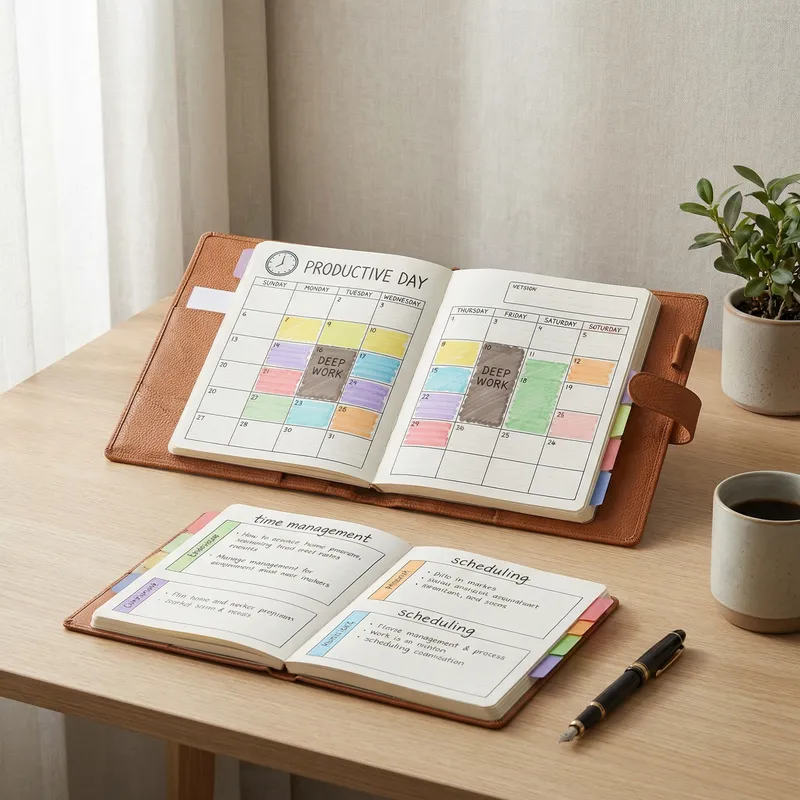
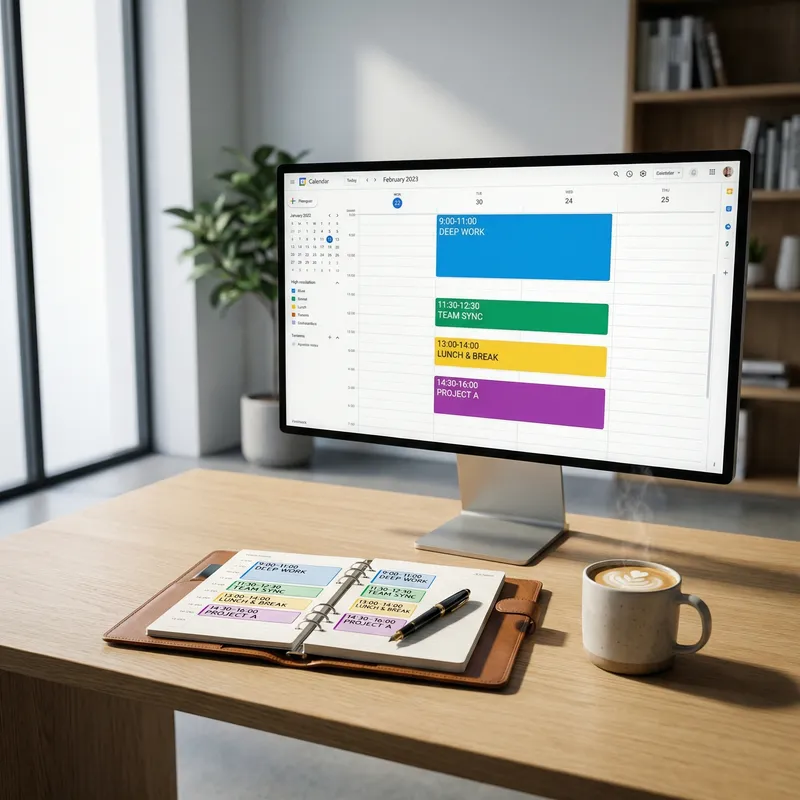
- Block 60-90 minutes for deep work before meetings hijack your calendar
- Pick the one thing that would make you feel proud by noon
- Write your top 3 outcomes for the day (not 17 tasks)
The 15-Minute Quick Routine
You don’t need a long routine to feel a difference. You need a short routine that creates calm and clarity before the day speeds up.
The 15-minute productive routine:
- Drink water and take five slow breaths to reset your nervous system (2 minutes)
- Do two minutes of movement, like stretching, walking, or mobility (2 minutes)
- Write your “one win” task for the day and the first step to begin it (3 minutes)
- Do five minutes of focused work on that first step before opening messages (5 minutes)
- Quick breakfast or coffee while reviewing your calendar (3 minutes)
This routine forces a small win early. Small wins create momentum that carries into meetings and admin work.
The 1-Hour Complete Routine
A 1-hour morning routine works best when it has a clear purpose and a predictable flow. You’re not trying to do everything—you’re trying to start well.
The full 60-minute routine:
- Wake up gently with water, light, and calm breathing (10 minutes)
- Movement you can repeat, like walking, strength basics, or mobility (20 minutes)
- Simple breakfast or coffee ritual that feels grounded (10 minutes)
- Planning session, including your top three tasks and one time block for deep work (15 minutes)
- Begin your first priority task before checking messages (5 minutes)
This routine includes both energy and execution. You’re not only “getting ready”—you’re already moving the day forward.
How to Make Your Routine Stick
Here’s my opinionated take: most people fail at routines because they design them for their “best self” instead of their real self.
You don’t need a perfect morning. You need a default morning.
Start Small Enough to Do on Your Worst Day
Start with a 15-20 minute routine. Seriously. If it takes longer than your attention span, it’s not a routine—it’s a project.
Example minimum viable routine:
- Drink water (1 minute)
- Light movement (5 minutes)
- Write top 3 priorities (5 minutes)
- Sunlight outside (5 minutes)
Remove Decisions the Night Before
Decision fatigue is real, and mornings are when it bites. So pre-decide:
- Write tomorrow’s top 1-3 priorities on a sticky note
- Queue your breakfast (or at least know what it is)
- Put your workout clothes out
Build Discipline with Consistency, Not Intensity
Maintaining a routine builds discipline and confidence—basically proving to yourself you can keep promises. And that spills over into everything else you’re trying to do.
Don’t aim for “hero mornings.” Aim for “repeatable mornings.”
Common Mistakes and How to Fix Them
Hitting the snooze button: Count to five when your alarm goes off, then force yourself to get out of bed. Keep slippers near your bed. Preset your coffee machine so the aroma is waiting.
Checking your phone immediately: Protect your first 30 minutes. If you begin by reacting to notifications, your brain stays reactive even after the emails are done. No phone for the first 20-30 minutes.
Making the routine too complex: If your routine requires 90 minutes and perfect conditions, it will collapse the first time life gets messy. Keep it simple enough to do on busy days.
Your 7-Day Challenge
Try this for 7 days:
- Delay caffeine 60 minutes
- Write top 3 priorities
- 5 minutes of movement
- Water and sunlight
- No phone for the first 20 minutes
If your days don’t feel noticeably calmer and more focused, go back to your morning doomscroll ritual. But I don’t think you will.
The busiest professionals aren’t productive because they work more hours. They’re productive because they protect the hours they have. Start with your morning. The rest follows.